

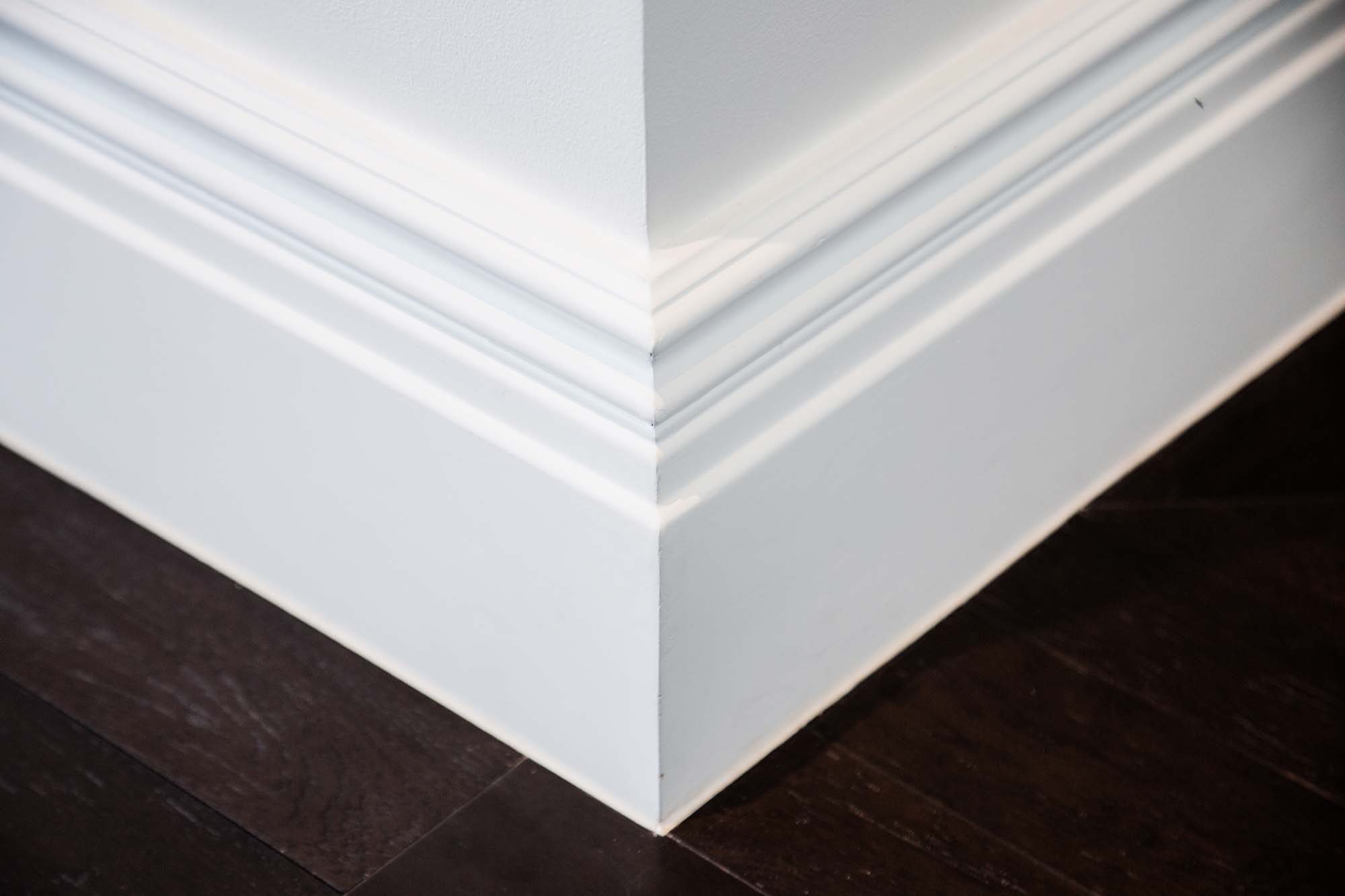
Installing carpet in an older Ohio home requires more than stretching the carpet and securing its edges. Plaster walls can crack under impact, and original hardwood baseboards can be scratched or damaged by careless tool use. With the right carpet tack strip installation techniques, you can achieve a smooth, secure carpet edge while preserving the details that give your home its character.
At The Carpet Company, we understand the importance of careful preparation when updating flooring in traditional homes throughout Northeast Ohio.
At a Glance
Protect plaster walls: Avoid hammering near fragile plaster and inspect the floor perimeter before installation.
Preserve hardwood baseboards: Use protective barriers and keep installation tools away from finished wood surfaces.
Choose the right fasteners: Secure tack strips to a suitable subfloor rather than relying on plaster or decorative trim.
Account for Ohio weather: Seasonal humidity changes and winter moisture make subfloor preparation especially important.
Know when to call a professional: Older homes with uneven floors, brittle plaster, or delicate trim benefit from experienced installation.
Inspect the Room Before Installing Tack Strips
Before starting carpet installation, examine the wall-to-floor junction throughout the room. Older homes in communities such as Chagrin Falls, Shaker Heights, and Cleveland Heights may feature traditional plaster walls, original hardwood trim, and floors that have settled over time.
Look for loose plaster, damaged baseboards, protruding nails, and uneven subfloor sections. Check whether the existing flooring is wood or concrete, as the appropriate tack strips and fasteners depend on the substrate.
Measure the room carefully and plan the tack strip placement around doorways, closets, corners, and other transitions. Tack strips generally run around the room's perimeter, with the pins angled toward the wall so they can grip the carpet backing during stretching. The installation must leave the appropriate gap between the strip and the wall or baseboard, following carpet and strip manufacturer instructions.
How to Install Carpet Tack Strips Near Plaster Walls
Plaster is more brittle than modern drywall, particularly in older homes where the plaster keys or underlying lath may have deteriorated. The goal is to anchor the tack strips securely without transferring unnecessary impact to the wall.
Start by identifying the subfloor and selecting compatible fasteners. Tack strips should be attached to the floor, not the plaster wall or hardwood baseboard. Position the strips consistently along the perimeter, keeping them clear of the wall by the recommended distance.
When fastening the strips to a wood subfloor, use suitable nails and controlled hammer strikes. Avoid aggressive pounding, which can loosen nearby plaster or damage a fragile floor edge. For concrete subfloors, use tack strips and fastening methods rated for concrete rather than ordinary wood-floor nails.
If the floor is deteriorated, the perimeter is unusually narrow, or the plaster is already separating from the lath, stop and assess the condition before proceeding. Forcing fasteners into an unstable area can create more expensive repairs.
Carpet Installation Techniques for Hardwood Baseboards
Original hardwood baseboards can be a defining feature of an older Ohio home. Protecting them during installation begins with careful preparation.
Apply removable protective covering where tools may come into contact with the trim. Use a stable knee kicker and carpet stretcher, positioning equipment so that pressure is directed into the carpet rather than against the finished baseboard. Keep utility knives and tack strip edges away from painted surfaces and exposed wood.
During carpet stretching, maintain even tension to prevent wrinkles without overloading the carpet or its perimeter. The carpet edge should engage the tack strip securely, with excess material trimmed and tucked neatly into the gap. Avoid using the baseboard as a leverage point for tools.
These carpet installation techniques for hardwood baseboards help preserve the trim's finish while producing clean, professional-looking edges.
Account for Northeast Ohio's Seasonal Conditions
Northeast Ohio experiences cold winters, snow, slush, and humid summer weather. Moisture tracked indoors can affect subfloors, while seasonal changes in indoor humidity can contribute to movement in wood flooring and trim.
Before installation, make sure the subfloor is clean, dry, stable, and suitable for the carpet system. Address leaks or moisture concerns first, and follow manufacturer recommendations for indoor conditions and carpet acclimation.
These carpet tack strip installation tips for Ohio homes are especially useful in entryways, finished basements, and frequently used family rooms, where moisture and everyday traffic can put additional demands on flooring.
When Professional Installation Makes Sense
Protecting plaster walls and hardwood trim during carpet installation can be challenging when you're working with fragile materials, uneven floors, or original architectural details. Professional carpet installation for older homes in Ohio helps address these conditions before they become costly problems.
Our carpet installation services can help you plan a flooring update that accounts for your home's existing surfaces and installation requirements.
Plan Your Carpet Project With Financing in Mind
If you're planning a carpet update alongside other home improvements, consider how the project fits into your renovation budget. You can learn more about our financing options, subject to credit approval.
Protect Your Home's Character With The Carpet Company
A successful carpet installation should feel comfortable underfoot and look right alongside your home's original details. Careful tack strip placement, suitable fasteners, and thoughtful handling of plaster and hardwood trim can make a meaningful difference in the finished result.
At The Carpet Company, we're here to help you choose and install carpet with your home's specific needs in mind. Contact our team to discuss your carpet installation project and take the next step toward a clean, durable finish that respects your home's character.


