

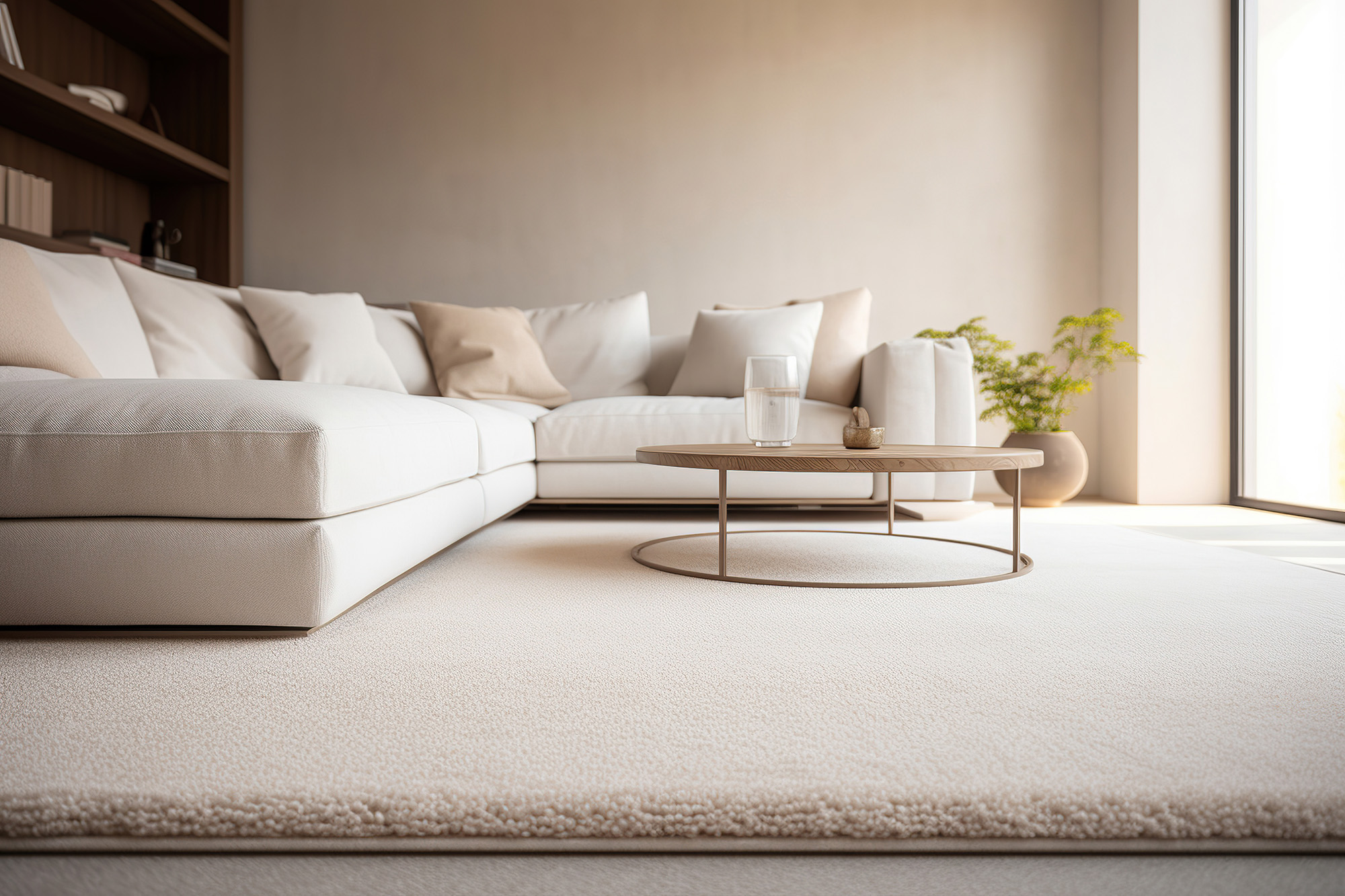
Choosing the right area rug often brings up questions about scale and placement. You may find yourself wondering how to select a size that makes their seating area look cohesive rather than disconnected. When a rug matches the proportions of your furniture, it defines the room and creates a comfortable, welcoming space for gathering.
Understanding how dimensions interact with your layout ensures your flooring investment functions beautifully. Simple placement adjustments can completely change how large or small your living room feels.
Defining the Floating Rug and Room Proportions
A floating rug occurs when a small accent piece sits by itself in the center of a room without touching any of the surrounding seating. Homeowners frequently ask why a room feels disjointed even when they like their furniture and decor. The answer usually comes down to scale, as an undersized rug creates a visual island that breaks up the floor plan.
Properly scaled rugs act as an anchor for your layout. They establish clear boundaries for your conversation zone, which is especially important in modern, open-concept homes where different areas blend together. Selecting a larger size keeps the eye moving naturally across the space.
When a rug is too small, it makes the entire living room feel restricted and cramped. Choosing a size that extends beneath your furniture provides a sense of continuity that expands the room visually.
Smart Placement Strategies for Living Room Furniture
Figuring out where to place furniture legs is the most common hurdle during the design process. You generally have two reliable methods to choose from based on your specific layout and the size of your room.
The All-Legs-On Approach
This arrangement works well for large, expansive rooms or layouts where your sofa and chairs sit away from the walls. To make this work, you need a generous footprint so that every piece of seating rests entirely on the rug surface. A unified perimeter gives the room a clean, expansive look.
The Front-Legs-Only Approach
For standard living rooms where furniture lines the perimeter of the space, placing just the front legs on the rug is an excellent solution. Pulling the rug under the front few inches of your sofa and chairs physically links the pieces together. This method creates a tight, connected seating arrangement without requiring an oversized piece of flooring.
At a minimum, your rug must make physical contact with the primary seating pieces. Leaving a gap of bare floor between your sofa and the edge of the rug creates that disconnected, floating look.
Standard Dimensions and Spacing Guidelines
Getting the measurements right requires looking at both the rug size and the amount of exposed floor around it. A good rule of thumb is to leave roughly 10 to 18 inches of bare flooring between the edges of the rug and your baseboards. This gap maintains classic room proportions and shows off your underlying hardwood or luxury vinyl floors.
Standard industry sizes generally function in the following ways for a main living area:
5x8 Feet: This size is typically too small for a central living room arrangement. It works best in compact apartments, small home offices, or secondary accent spaces.
8x10 Feet: This dimension serves as the traditional choice for standard living rooms. It pairs perfectly with the front-legs-only approach for average-sized sofas.
9x12 Feet: Well-suited for large, open family rooms. This size provides enough surface area to accommodate all furniture legs comfortably.
Finding the Right Fit for Your Home
Finding Balance from the Ground Up
Selecting the perfect area rug comes down to understanding how your layout interacts with the floor space. By matching the scale of your rug to your seating arrangement, you create a balanced, comfortable room that feels intentional and complete.
Visit our showroom or contact us today to map out the ideal measurements for your space with our flooring specialists. We will help you look through physical samples and find the exact dimensions to anchor your room properly.


