

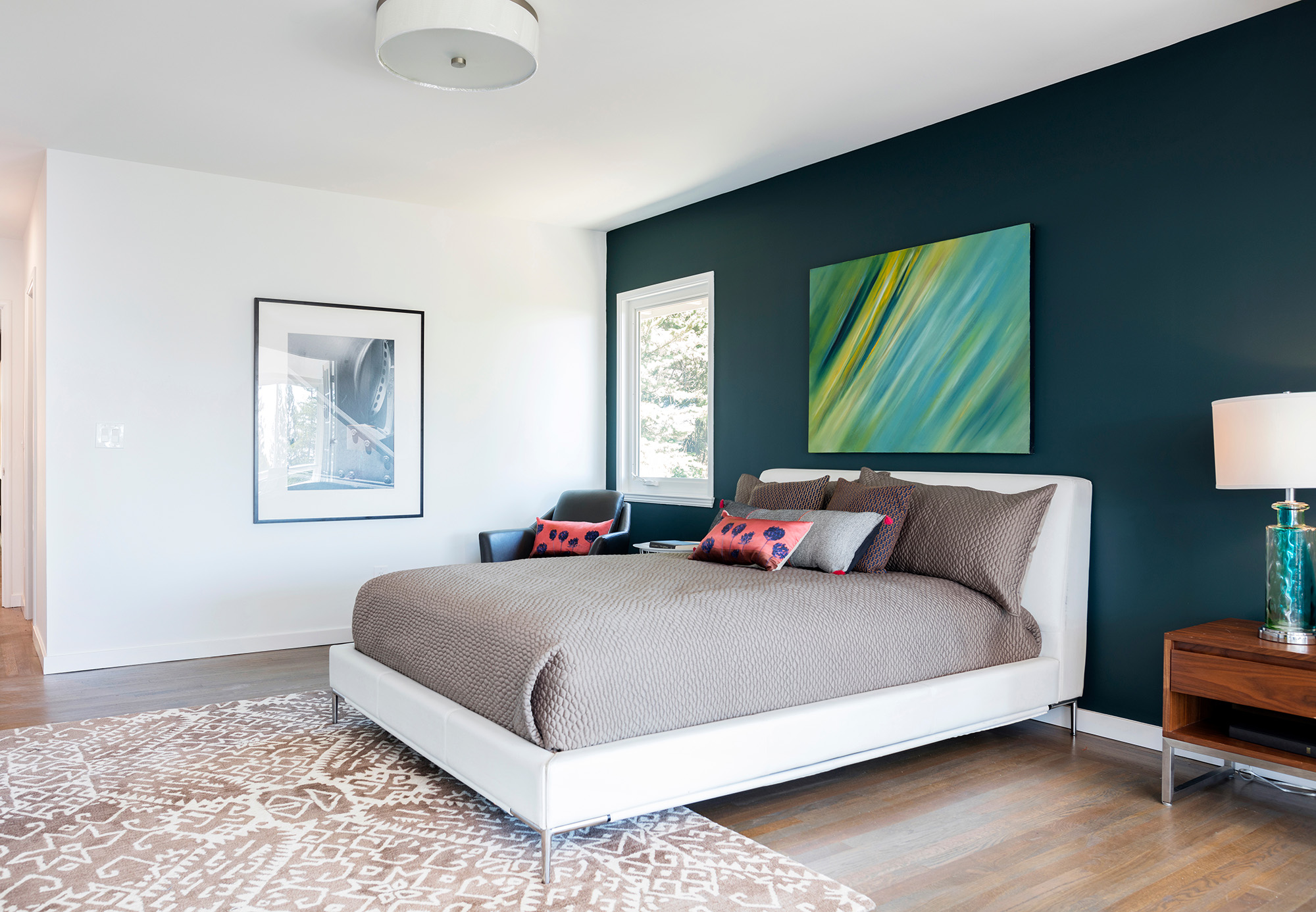
Flooring choices in Northeast Ohio are shaped by winter salt, wet boots, spring mud, and indoor dryness from heating. That combination is why the “best flooring” is usually room-specific. Carpet wins on comfort and warmth. LVP wins on water resistance and easy cleanup. The smart decision is choosing each where it behaves best, not forcing one material everywhere.
Where carpet is the smarter choice
Carpet is ideal in bedrooms, nurseries, and living areas where warmth and sound control matter most. It reduces echo, softens footsteps, and makes the space feel warmer underfoot during winter. Carpet also performs well in upstairs spaces where you want better sound isolation. The key is choosing a fiber and construction that can handle daily use without crushing.
Where carpet becomes a risk
Carpet is higher risk in main entries, mudroom paths, and basement spaces where moisture and salt are routine. Even stain-resistant carpet can hold gritty residue that abrades fibers and makes traffic lanes look worn. If a basement has dampness or seasonal humidity spikes, carpet can trap moisture in pad layers unless the space is actively controlled with dehumidification.
Where LVP is the smarter choice
LVP is strong in kitchens, powder rooms, laundry zones, and high-traffic entries where spills and wet shoes happen. It’s also a common choice for finished basements because it handles humidity swings better than many other surfaces, as long as the subfloor is properly prepared and moisture is managed.
Where LVP becomes a risk
LVP can feel harder and louder underfoot than carpet, especially in upstairs rooms or open-plan spaces. It can also telegraph subfloor imperfections if the subfloor isn’t flat within tolerance, which shows up as clicking, hollow sounds, or joint stress over time. In sunny rooms, some products can show “rug shadow” outlines or subtle color shift if window heat is intense and rugs are never rotated.
The technical specs that actually matter when deciding
For carpet, focus on density and construction, not just softness. A carpet that feels great in the showroom can crush quickly if density is low for the pile height. For LVP, focus on core type (SPC vs WPC), joint quality, and the right underlayment strategy for your sound and comfort goals. The best-performing installs are less about buzzwords and more about matching product engineering to the room’s reality.
The practical hybrid approach most homeowners end up loving
Many Cleveland-area homes do best with LVP in entries, kitchens, and basement areas, then carpet in bedrooms and comfort-focused living zones. This reduces risk in wet spaces while keeping the home quiet and comfortable where it matters most.
Carpet and LVP both win when you place them in the right environments and specify them correctly.
Visit us at Chesterland, OH, and we proudly serve Cleveland, Mayfield Heights, Cleveland Heights, Shaker Heights, Beachwood, Chagrin Falls, and Gates Mills, OH. If you’re ready to choose carpet, LVP, or a smart mix of both, , contact us to review options and schedule an in-home measure.


